The Mystery Box Effect: Why You Absolutely Need a Pre-Shipment Inspection
A $200 inspection sounds like an extra cost until the wrong 20,000 mugs land in Dubai with your customer's logo printed upside down. The math is simple: why gamble?
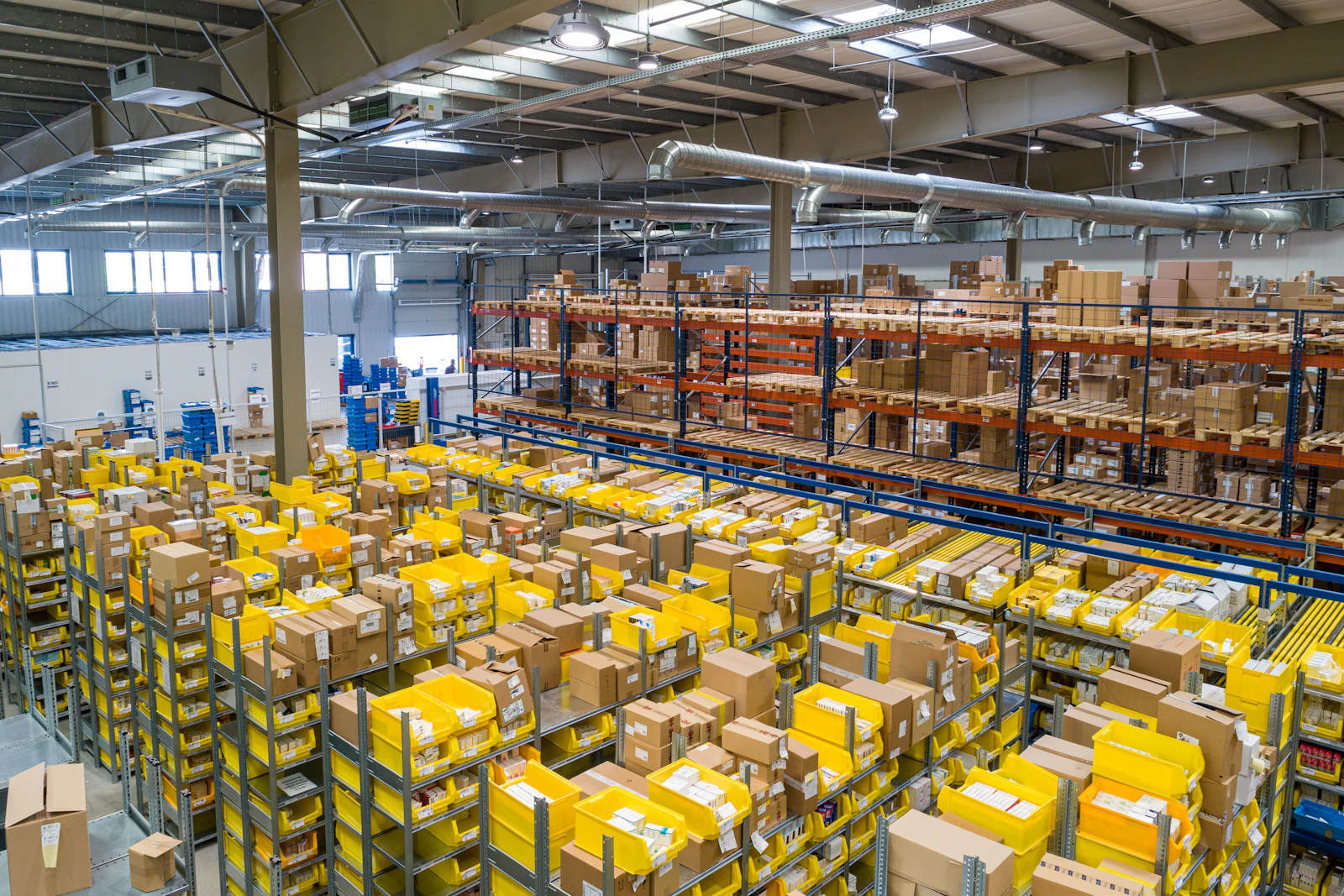
If you've ever ordered something online and opened the package thinking, ‘this is not what I clicked on,’ you already know the mystery box feeling. Now multiply that feeling by 20,000 units, a sea-freight bill, and a customer who paid you for on-brand merchandise. That is the reality of importing without a pre-shipment inspection — except by the time you open the box, it is already in your country, on your warehouse floor, and past the point of no return with the factory. Based right here in Panyu, Guangzhou, our team has opened a lot of those containers for our clients over 30+ years. Here's what we've seen, and why skipping PSI is almost always a terrible bet.
The story of the upside-down printed mugs (a real case)
A few years back, a first-time buyer from Dubai ordered 20,000 custom ceramic mugs for a hotel chain's welcome gift. They approved a digital sample with the logo the right way up, paid 30% to start, then settled the 70% balance because the supplier sent a few phone photos of the finished cartons stacked in the warehouse.
The container arrived at Jebel Ali, the client opened a random pallet, and every single mug had the hotel logo printed upside down. The factory had rotated the artwork on the print plate by 180 degrees, and nobody caught it — because nobody actually looked inside the sealed master cartons before shipping. The re-print cost, plus air freight for a rush replacement to make the hotel's opening date, came to just over $22,000. A PSI on that order would have cost $230. That is the mystery box effect in one line: save $230, lose $22,000.
What actually goes wrong when you skip an inspection
Upside-down logos are memorable, but they're not even the most common problem. The things we catch on a typical day in Guangdong factories are usually less dramatic and far more expensive, because you don't notice until the customer complains.
Most of the work during a quality control inspection happens inside the master cartons. We pull a statistically representative sample — usually 80 to 200 pieces depending on order size — and compare them, piece by piece, against your signed-off physical sample and purchase agreement. Common catches: wrong fabric weight on garments, missing inner foam layers that make a product rattle and break in transit, cheap adhesive that lets soles peel off shoes within 30 days, wrong electrical plug type for your market, packaging text that hasn't been translated, or just a lower quantity than the supplier said they shipped. Any one of those will cost you a lot more than the inspection fee to fix after the ship has sailed.
The $200 vs $20,000 math (it's not close)
For a typical 20-foot container of consumer goods, a pre-shipment inspection from a Guangzhou-based team usually costs somewhere between $180 and $320 depending on the factory's location and how many SKUs are in the container. That is roughly 0.1% to 0.5% of the value of a normal shipment.
Now think about what you pay for a single mistake if the goods arrive bad. You cannot send the container back easily. You might have to pay labor to rework locally at 5× or 10× the Chinese factory wage. You might have to refund your customer. You might lose the customer entirely. Even if only 5% of your orders have issues, paying the tiny inspection fee every single time is cheaper than paying for one reworked shipment in your own country. It's the same logic as buying travel insurance. You don't buy it because you plan to cancel the trip — you buy it because the cost of not having it is terrible.
What a real PSI looks like (we don’t just take photos)
A good pre-shipment inspection is not someone walking past a stack of boxes and taking five pictures. It is a structured process. We start by verifying factory paperwork against your PO — are they shipping the right model number, the right quantity, the right packaging markings? Then we draw the AQL sample and get to work.
Our inspectors do function tests, drop tests for retail packaging, check labeling and barcodes against your spec, measure tolerances, photograph defects side-by-side with a severity label, and call out anything that deviates from your approved sample before the container is stuffed. You receive the report within 24 hours in plain English with photo evidence, so you can approve shipment, negotiate a discount, or hold the goods for rework — while you still have the 70% balance in your account.
OK, but I've used this factory for years — do I still need it?
Short answer: yes, about once every 3 to 5 orders. Even great factories have bad production runs, new trainees, or weeks where they took on too much work and quietly subcontracted a portion of your order without telling you. We've seen every one of these happen to long-term buyers with solid relationships.
You don't have to inspect every single container. But checking in periodically is the difference between 'we caught 3% bad units and the factory reworked them for free' and 'we opened the mystery box at our warehouse in Riyadh and now we need a plan B.' The relationship with the factory is important. The independent check is what protects it.
You don’t have to be on the ground to have eyes on the ground
A lot of buyers tell us, ‘If I could be there myself, I would.’ The good news is you don't need to fly to Guangzhou every time you have a container leaving. You just need a team that shows up on your behalf, checks the things you would check, and tells you the truth before the balance is paid. That's exactly what our pre-shipment inspections are for.
If you have a shipment coming out of Guangdong in the next few weeks — or if you're ordering from a new supplier for the first time — send us the factory address and the PO. We'll give you a fixed, transparent quote and a 24-hour turnaround so you can stop guessing what's in the box.